


Filtros ND y filtros CPL: por qué, cómo y cuándo usarlos
ND Filters and CPL Filters: Why, How, and When To Use Them
The Power of Filters
Some photographers often don’t want to overcomplicate their setup further than necessary. But, for those wishing to excel in their expectations and forward their hobby into a real profession, CPL and ND filters can potentially turn otherwise standard photographs into something much more dynamic. While both the CPL and ND filters perform different tasks and functions, each has the ability to give the photographer more control over what appears in your final product.
But — what are CPL and ND filters, and what do they do? These questions are common and pose an exciting take on leveling up our photography level(s) from amateur to professional. Let's go.
What’s a CPL Filter?
A CPL filter — circular polarizer/linear — is a glass attachment that reduces unwanted glare from reflective surfaces.
Polarized light is made up of scattered rays, and it's something you don't really want in your shot. It can come from light reflecting off an alpine lake, reflections in a coffee shop window, or even light bouncing off moisture and pollution in the atmosphere. A CPL filter filters out this polarized light, leaving you with a clear image you can't replicate in post-production. Your final image ends up with bluer skies, greener trees, and super-sharp clarity.
Of course, I work for Moment and believe we make top-quality products. I'm constantly astounded by the perfectionistic tendencies our gear team commits to, and the many hours of hard-earned beers it takes to get there. But I'm also a very non-technical photographer; I avoid unnecessary gadgets and gizmos, filters included. So I was hesitant when asked to shoot with our new CPL for our launch campaign. But, obviously, I accepted the challenge and bribed my best friend, Eunice Beck, to wander around Arizona's famous Salt River at sunset with me. We packed our to-go coffees and tea, strapped our beloved cameras around our necks, and drove an hour east to a place where reflective surfaces and sunny skies dominated the landscape.
At first, I didn't quite understand the point of a CPL filter. I threaded it onto my lens, looked at the LCD screen, and noticed crisp detail in the water and sky (duh, Natalie, that's the whole point) — but I still wasn't convinced. Then I removed the filter, kept the same camera settings, and immediately saw the difference. The skies without the CPL were vastly overexposed, with little to no detail — I could barely make out the actual color of the sky — and the shadows in the foreground were muddier than I wanted. The AntiGlare CPL filter gave the image a dynamic range crisper and clearer than what your eyes can see, almost like an iPhone's classic, juicy dynamic range. See below for a side-by-side comparison.
Features and Compatibility for Moment’s Antiglare CPL Filter:
Premium fused silica optical glass for supreme clarity
Advanced 16-layer optical coatings
Knurled grip texture for more control and easy removal from lenses
Stacks with fixed NDs, Moment Cinebloom, or UV Filters
Smooth rotation ring for precise polarization adjustment
Available for standard camera lens sizes 58mm - 82mm


What’s an ND Filter or VND?
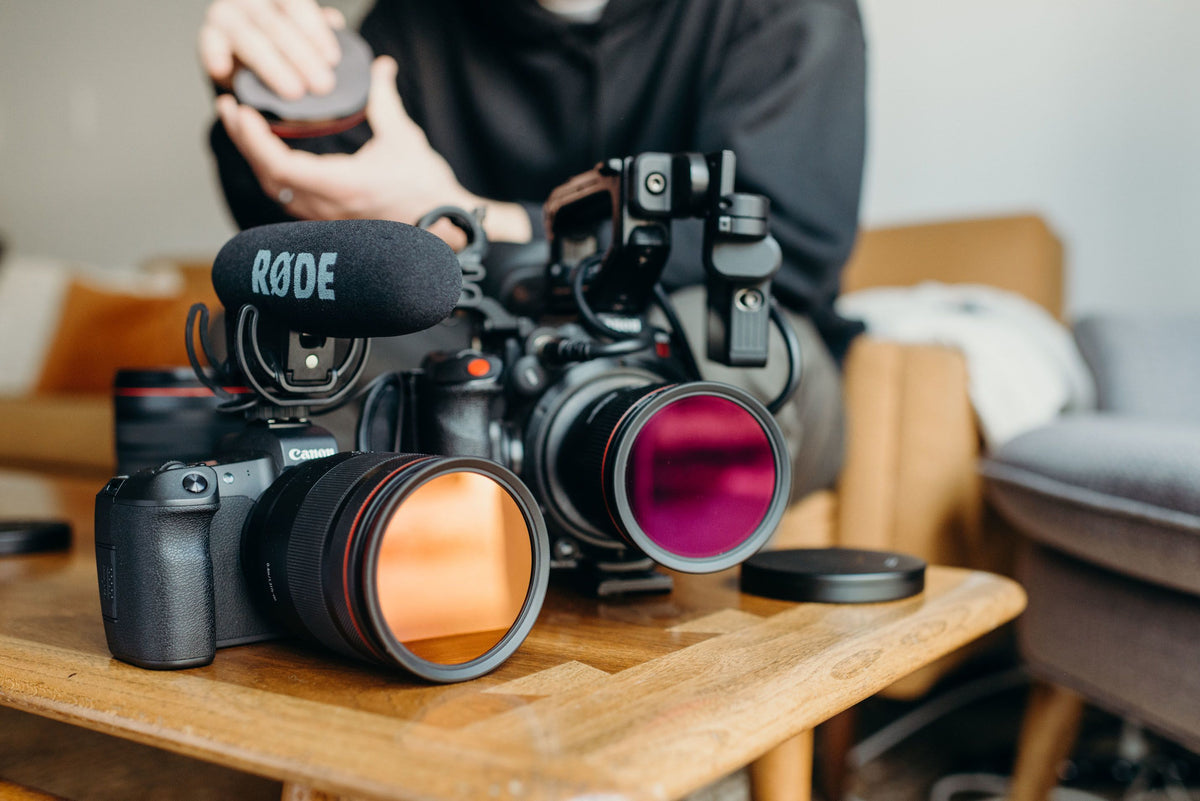
Like sunglasses for your camera, an ND filter gives you ultimate control over the light hitting your camera’s sensor. This means slower shutter speeds, smoother motion in your clips, and richer color in those sunset shots.
It lets less light in, so you can shoot longer exposures during the day. If you've ever taken a landscape shot before, you know the feeling: your sky is either too bright or your foreground too dark, because you're forced to choose which one gets properly exposed.
A Variable ND filter (VND), on the other hand, lets you twist the filter ring to dial the light reduction up or down within a range, so you're not stuck swapping filters every time the light changes. It's more convenient if you're moving between different lighting conditions in a single shoot, though it's worth knowing that cranking a variable ND to its extreme settings can sometimes introduce a dark X pattern across your frame — something a fixed ND won't do.
Features and Compatibility for Moment's VND Filter:
Featherlight (TM) Construction
Cinema quality, shatterproof glass
The neutral color and incredibly sharp
Low 1.46 refractive index glass
Proprietary optical coatings


When To Use CPL or Variable ND Lens Filters
👉 For a CPL filter:
Removing Glass Reflections: A common first mistake people might notice when starting out in photography is how difficult it can be to take a photo from inside a window or car door. A polarized filter reduces any unwanted streak of light or milky blurs that get in the way of your shot. It can also do the same for reflected light on water surfaces.
Make the Blues More Blue: Nothing ruins your landscape shots more than an overexposed sky (I've done this way too many times). But you'll more mood and color when using a CPL filter.
Remove the Haze: If you hope to make a specific color more vibrant in detail and hue, then a CPL filter is the way to go.
👉 For an ND Filter:
Long Exposures: Time to go manual mode! This is one of the more common ways to use an ND filter, as it commonly produces a hazy motion blur in the background of an action shot or milk the moving water in a waterfall scene. Stack additional ND filters for a more dramatic effect.
Action Shots: Reducing the amount of light entering the lens allows the photographer to select unique combinations of aperture, exposure time, and sensor sensitivity that would otherwise create an overexposed image. Action shots with an ND filter allow the subject to stay tack sharp without unwarranted streaks or flares.


Combined CPL/ND Filters:
Some filters pull double duty by combining a VND and CPL into one, so you get light control and glare-cutting magic without swapping gear. Super handy when you want to pack light or just keep things simple.
These hybrids let you dial in both how much light you’re blocking and how much reflection you’re cutting. Great for bright days, shiny surfaces, or whenever the lighting’s being unpredictable and you don’t want to overthink it.


Practical Recommendations
At the end of the day, ND and CPL filters are both solid tools that help you get better shots straight out of the camera. Whether you use them on their own or grab a combo filter, they give you more creative control than you’d get by editing alone.
Go for a Variable ND if you’re playing with long exposures or want that creamy depth of field on a bright day. A CPL is your go-to for cutting reflections, boosting colors, and making skies and water pop. And if you're shooting in all kinds of lighting or just want to keep your setup simple, a combo CPL/ND filter is an easy win that covers a lot of ground.
QuickLock Filters for iPhone
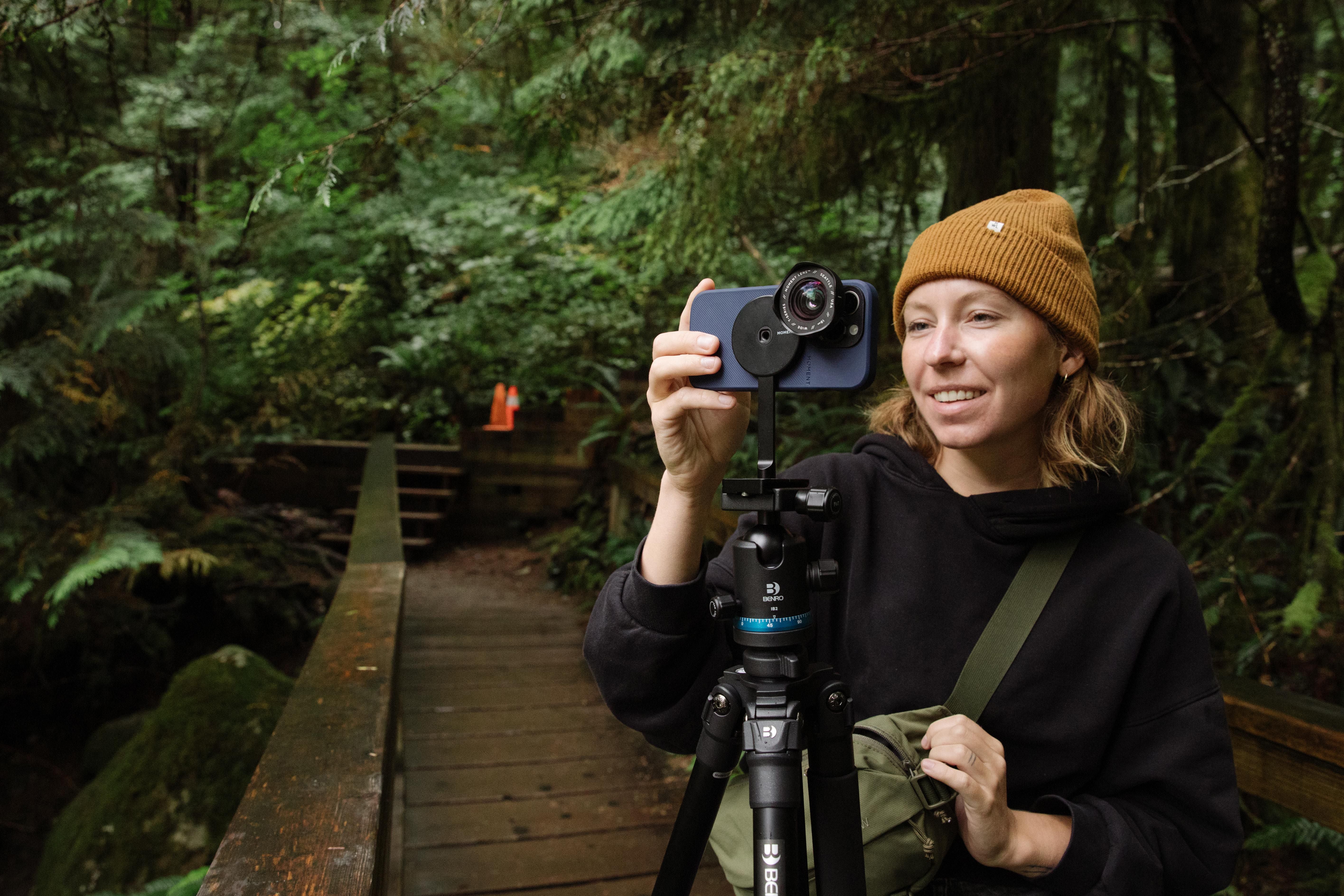
Technology is rad these days. No longer do you have to find a filter mount for your big lens filters to attach to your phone — we've made some A+, super sturdy QuickLock filters that pop right onto your Moment Camera Case. Available for iPhone 15 and newer models. This is the best and easiest way to control glare or light sources on your iPhone camera.

Leer más
The Moment Variable ND Filter Review: Easiest Way To Get That Cinematic Look Built like a tank yet shine...
Reseña del Moment Wide 18mm — Mayor profundidad, mejor claridad Nuestra lente Moment Wide de 18 mm es ideal para fotografía y cinematografía versátiles. Equipada c...